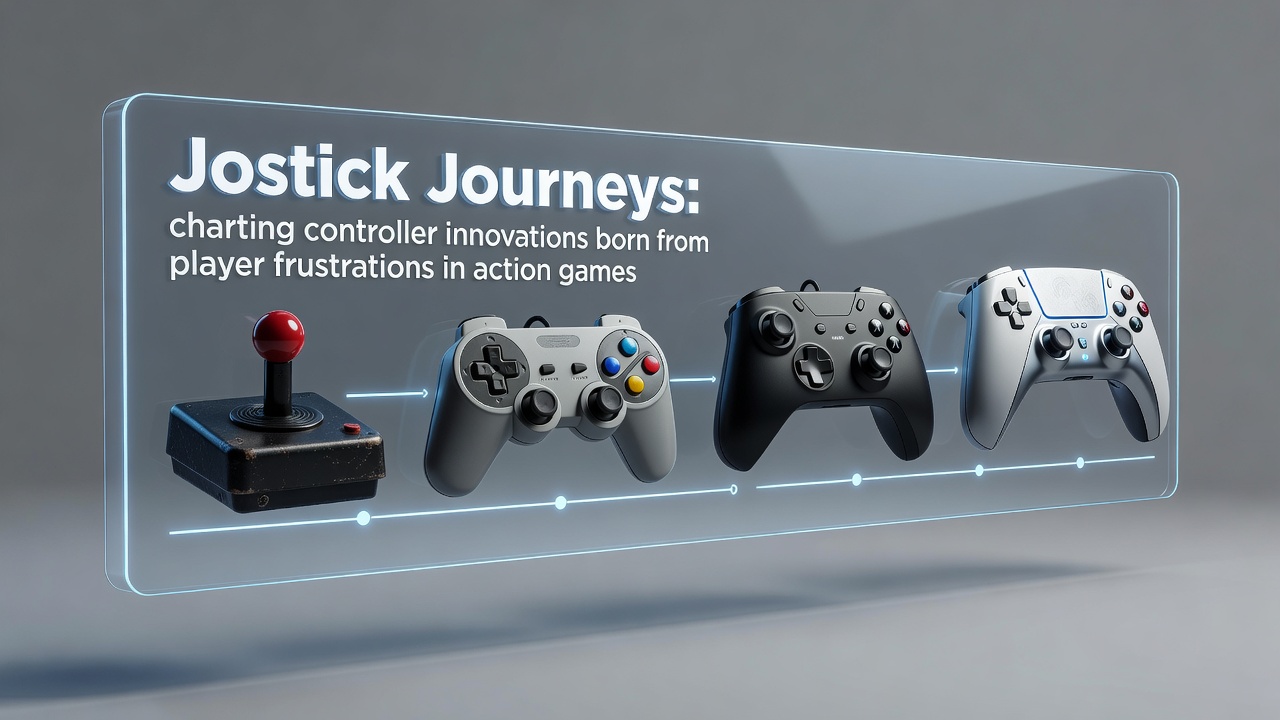
Joystick Journeys: Charting Controller Innovations Born from Player Frustrations in Action Games
Action games have long exposed limitations in standard input hardware, and manufacturers responded by refining joysticks, triggers, and button layouts to address specific pain points reported by players over decades. Data from industry reports shows that complaints about imprecise aiming in first-person shooters and unresponsive movement in platformers prompted shifts toward analog controls in the mid-1990s, while later frustrations with button mashing in fighting titles led to customizable inputs on premium devices. Observers note that these changes emerged from direct player feedback collected at tournaments and through online forums, rather than top-down design mandates.
Early Input Challenges in 2D and 3D Action Titles
Arcade cabinets and home consoles of the 1980s relied on digital joysticks or D-pads that offered only eight directional states, creating issues during fast-paced sequences where players needed fluid diagonals or variable speed. Research from hardware archives indicates that titles such as early run-and-gun games highlighted stick drift and limited range, prompting engineers at Nintendo to introduce the analog stick on the N64 controller in 1996. This addition allowed variable input strength that matched the demands of 3D navigation in games like Super Mario 64, and similar mechanisms appeared in competing systems within two years. Players who competed in side-scrolling action sequences often reported that the new sticks reduced errors in timing-based jumps and attacks, according to preserved tournament logs.
Analog Sticks and Trigger Refinements for Precision
By the early 2000s, dual-analog configurations became standard after developers observed that single-stick setups hindered simultaneous aiming and movement in third-person action games. Sony's DualShock line incorporated this layout in 1997, and Microsoft followed with the original Xbox controller in 2001, adding pressure-sensitive triggers that addressed complaints about binary shoulder buttons during shooting mechanics. Studies on input devices from university engineering departments reveal that trigger travel distance and resistance were adjusted based on aggregated user data from action game communities, resulting in shorter actuation times that improved response in competitive play. Those who analyzed sales figures from that period note a correlation between these hardware updates and increased playtime in fast-action genres across regions.
Customizable Features Emerging from Tournament Feedback
Professional circuits in fighting and shooter games exposed further shortcomings in stock controllers, including button layouts that forced awkward hand positions during extended matches. Manufacturers introduced modular paddles and remappable inputs on devices like the Xbox Elite series and third-party alternatives after players documented fatigue and input conflicts in 2010s events. Figures from gaming trade associations show that aftermarket modifications rose sharply between 2015 and 2020, leading mainstream brands to integrate similar options directly into retail products. In November 2026, several new controller lines are scheduled for release that incorporate community-requested weight adjustments and shorter trigger stops, reflecting ongoing data collection from regional esports qualifiers.
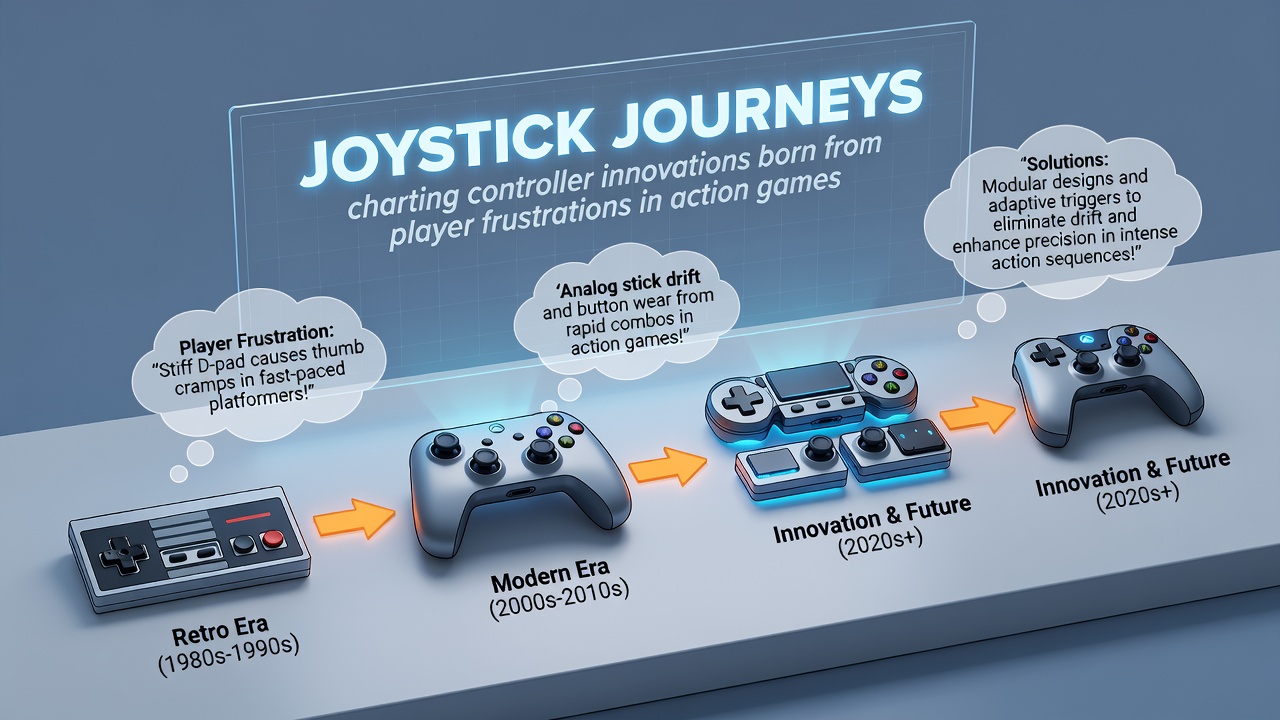
Haptic and Adaptive Technologies Addressing Latency Issues
Recent iterations incorporate advanced vibration motors and adaptive resistance after tests demonstrated that standard rumble feedback failed to convey nuanced environmental cues in action sequences. Sony's DualSense controller, released in 2020, features variable tension triggers and localized haptics that evolved from player reports on timing inaccuracies in cross-platform titles. Academic papers on human-computer interaction document how these systems reduce cognitive load by providing tactile confirmation of in-game events, while industry metrics indicate adoption rates climbed as developers optimized titles around the new hardware. European regulatory bodies tracking consumer electronics have recorded steady growth in sales of such adaptive controllers, driven by compatibility requirements in action game libraries.
Global Patterns in Controller Evolution
Regional differences appear in how manufacturers incorporate player suggestions, with Japanese firms often prioritizing compact forms suited to arcade-style action and North American companies focusing on larger grips for extended sessions. Canadian research institutions have published comparisons of controller ergonomics across markets, showing that frustration metrics from mobile-to-console transitions influenced hybrid input designs. Observers tracking hardware patents note that innovations like gyroscopic aiming, first popularized in motion-controlled action titles, later migrated to standard gamepads after competitive players requested finer aiming assistance without sacrificing button access. These developments continue to draw from aggregated telemetry shared between studios and accessory makers.
Conclusion
Controller designs for action games trace a direct line from documented player difficulties to iterative hardware solutions that prioritize input accuracy and comfort. Continued collection of usage data ensures that future revisions address emerging challenges in increasingly complex game environments, while maintaining compatibility across platforms and regions.